
Unearthing Hull's Maritime Legacy: The William Scoresby's Role in Climate Research
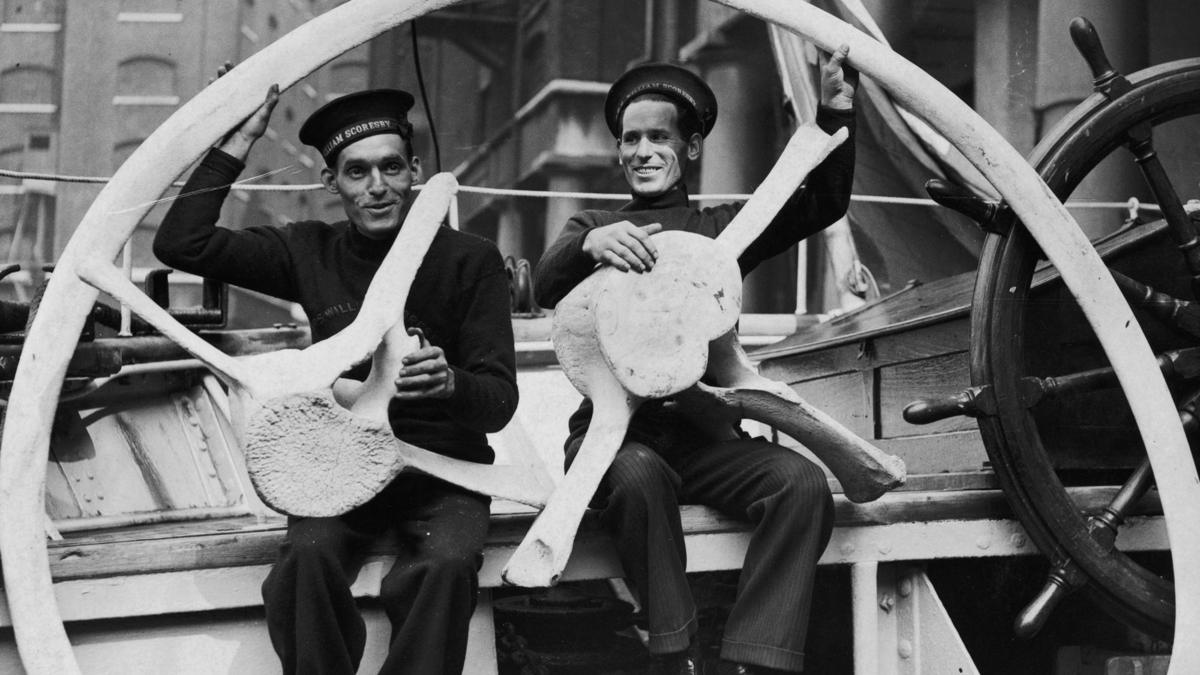
A Historical Voyage from Hull
In the early 20th century, Hull was not just a bustling port city; it was also a hub for scientific exploration. A century ago, the research vessel William Scoresby embarked on a pioneering journey to the southern oceans, conducting crucial oceanographic research that has now been recognized as instrumental in tracking the El Niño phenomenon. For residents of East Yorkshire, this revelation not only underscores the region's maritime heritage but also its significant impact on global climate science.
The Significance of the William Scoresby
The William Scoresby, named after the famed Arctic explorer, was equipped for deep-sea research, making it a valuable asset for scientists of its time. Between 1920 and 1922, the ship gathered extensive data on ocean temperatures, currents, and salinity levels, which were pivotal in understanding the natural climate variations that affect weather patterns worldwide. Recent analysis of these forgotten datasets has enabled modern researchers to refine their understanding of El Niño, a climate pattern that causes substantial weather disruptions globally, including in parts of the UK.
Connecting Past Discoveries with Present Challenges
For East Yorkshire residents, this story is not just about history; it is about the ongoing challenges posed by climate change. Understanding phenomena like El Niño is vital for predicting extreme weather events, helping local farmers, fisheries, and businesses adapt to changing conditions. Hull, with its historical ties to maritime research, can take pride in its role in this global conversation, offering local contexts for discussions about sustainability and climate resilience.
Celebrating Local Exploration
As the city reflects on the legacy of the William Scoresby, it serves as a reminder of Hull's long-standing relationship with the sea. The ship's voyages represent an era when local residents were at the forefront of scientific exploration. Today, Hull continues to support marine research through institutions like the University of Hull and various marine conservation initiatives, which work to enhance our understanding of marine ecosystems.
A Call to Action for Future Generations
As East Yorkshire faces the realities of climate change, the story of the William Scoresby inspires a new generation of explorers and researchers. Local schools and community groups are encouraged to engage with this rich maritime heritage, fostering interest in marine sciences and environmental stewardship. Initiatives like coastal clean-ups, educational workshops, and partnerships with local universities can help empower residents to take an active role in protecting their environment.
Conclusion: Hull's Ongoing Legacy
The recognition of the William Scoresby's contribution to climate science is a powerful reminder of Hull's maritime legacy and its relevance in today’s environmental discussions. As we face unprecedented challenges due to climate change, the lessons learned from the past can guide our actions for a sustainable future. East Yorkshire's connection to global scientific efforts not only honors its history but also fosters a community dedicated to environmental consciousness and resilience.