
Understanding Prostate Cancer: Symptoms, Risks, and Support
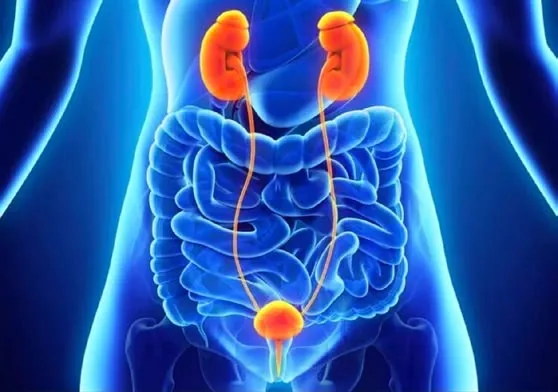
Prostate cancer is the most common cancer in men, with one in eight men diagnosed in their lifetime. It usually progresses slowly, and men can live for decades without symptoms. The prostate gland, about the size of a walnut, is part of the male reproductive system located between the penis and bladder, surrounding the urethra.
Symptoms typically appear when the prostate enlarges enough to affect urine flow, causing increased frequency, straining, or a feeling of incomplete bladder emptying. However, these symptoms do not always indicate cancer and should not be ignored.
Risk factors include age (most cases occur in men aged 50 or older), ethnicity (more common in black men, less in Asian men), and family history.
Diagnosis involves several tests: the prostate-specific antigen (PSA) blood test, physical examination, MRI scans, and biopsies. PSA tests measure blood levels of PSA, but raised levels can be caused by non-cancerous conditions.
Treatment depends on the cancer stage and symptoms. Early-stage prostate cancer may not require treatment, but options include surgery, radiotherapy, and hormone therapy.
Support is available through Boots Macmillan Information Pharmacists (BMIPs) in Boots pharmacies across the UK and the Macmillan helpline at 0808 808 0000, offering free advice and information.