
Rare Butterfly Restoration Project Takes Flight in East Yorkshire
A Historic Return
For over a century, East Yorkshire has been devoid of one of its most spectacular residents—the Swallowtail butterfly. Now, conservationists are embarking on a groundbreaking project aimed at restoring this iconic species to the region, a move that promises to enhance local biodiversity and engage the community in wildlife conservation efforts.
The Swallowtail Butterfly
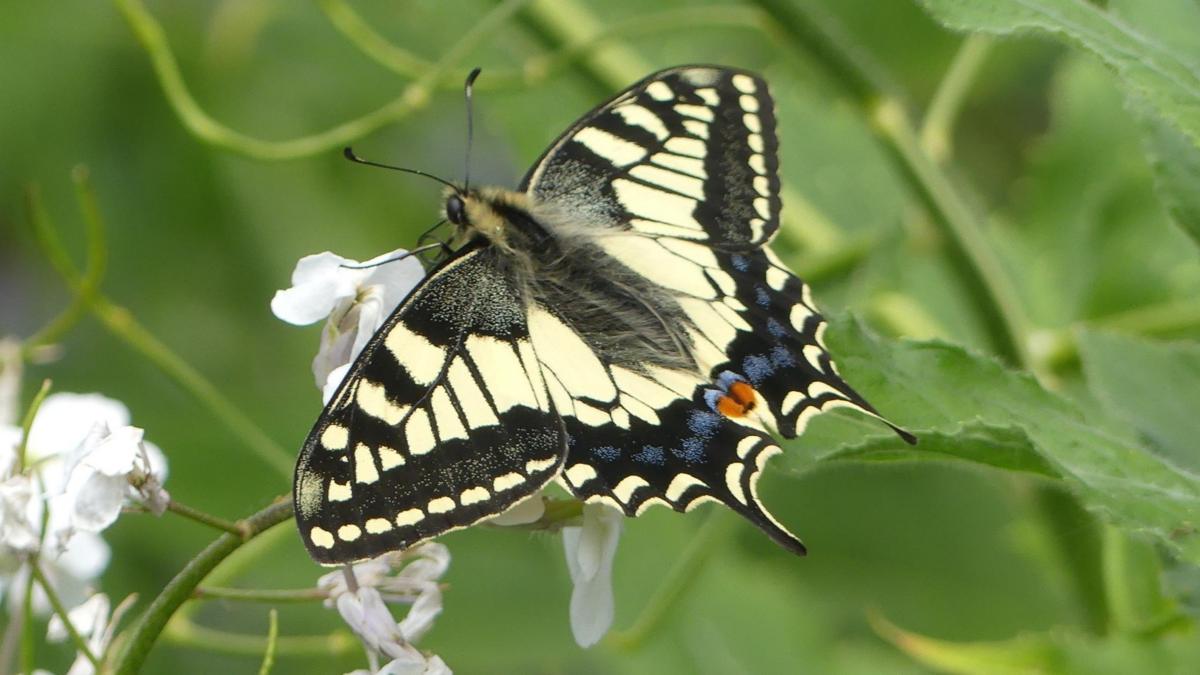
The Swallowtail, known for its striking yellow and black wings, is the UK's largest native butterfly. Once a common sight in the lush meadows and wetlands of East Yorkshire, its population began to dwindle in the early 20th century due to habitat loss and changing agricultural practices. The last recorded sighting in the area was more than 100 years ago, making its potential return a significant ecological milestone.
The Restoration Project
Led by the East Riding of Yorkshire Council in partnership with local environmental groups, the project will focus on creating suitable habitats for the Swallowtail. This involves restoring wetlands and meadows, which are essential for the butterfly's lifecycle, as they rely on specific host plants for laying eggs and feeding.
"We are excited to embark on this project, which not only seeks to bring back the Swallowtail but also aims to educate our communities about the importance of biodiversity and conservation," said Dr. Emma Carter, a leading ecologist involved in the initiative. "It's a fantastic opportunity for residents to get involved in nature recovery right here in East Yorkshire."
Community Involvement
The project is not just about the butterflies; it also seeks to engage local communities. Educational workshops, volunteer opportunities, and citizen science programs are planned to encourage residents to participate in monitoring the butterfly populations and the health of their habitats.
Local schools will also be invited to join in, helping to foster a new generation of environmental stewards. "By involving schools, we hope to instill a sense of responsibility towards our local environment in young people," Dr. Carter added.
Wider Environmental Benefits
The reintroduction of the Swallowtail butterfly is expected to have positive ripple effects throughout the local ecosystem. Butterflies play a crucial role in pollination, and their presence can indicate the overall health of the environment. By restoring habitats for the Swallowtail, other species, including bees and various insects, will also benefit, contributing to a more balanced and resilient ecosystem.
The Road Ahead
While the project is ambitious, experts are optimistic. Initial funding has been secured, but further financial support will be necessary to ensure its long-term success. The council is actively seeking grants and sponsorship from local businesses and environmental organizations.
As East Yorkshire embarks on this exciting journey to welcome back the Swallowtail butterfly, residents are invited to share their thoughts and participate in the upcoming community meetings. This restoration project not only aims to bring back a beloved species but also to strengthen the bond between the community and its natural surroundings.
In a world where biodiversity is increasingly threatened, the return of the Swallowtail could serve as a beacon of hope and a reminder of the importance of protecting our natural heritage. With collective effort and enthusiasm, East Yorkshire could soon witness the flutter of these magnificent butterflies once more, delighting residents and visitors alike.