
Hull Hospitals Halt Over-the-Counter Medication Prescriptions
Introduction
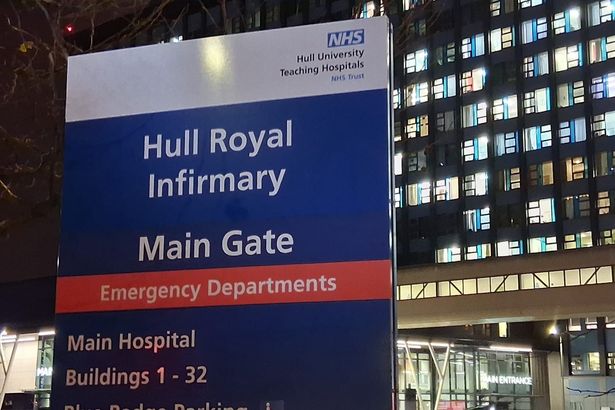
In a significant shift that will impact many residents in East Yorkshire, Hull's hospitals have announced they will no longer issue prescriptions for over-the-counter medications. This decision, aimed at conserving NHS resources and streamlining patient care, has sparked discussions about accessibility and the implications for local residents.
The Reason Behind the Change
The move comes as part of a broader strategy by NHS leaders to direct resources towards more critical health services. With ongoing pressures on the healthcare system, officials argue that over-the-counter medications, which are readily available at local pharmacies and supermarkets, should not be prescribed by hospitals.
"Our priority is to ensure that we are utilizing our resources in the best possible way to support patients who need more complex care," said Dr. Sarah Houghton, a spokesperson for Hull University Teaching Hospitals NHS Trust. "By encouraging patients to purchase common medications like pain relievers, cold and flu treatments, and indigestion remedies, we can free up valuable time and resources for those who are more seriously ill."
Impact on Local Patients
For many residents in East Yorkshire, this change may complicate access to common health products. Patients who rely on hospital prescriptions for everyday medications may find themselves facing increased costs or longer wait times at local pharmacies.
Local pharmacy owner, John Smith of Smith's Pharmacy in Hull, noted that while many residents are accustomed to purchasing over-the-counter medications, some may rely on prescriptions due to financial constraints. "For some of our customers, especially the elderly or those on fixed incomes, the cost of buying these products can add up quickly," he explained. "We encourage everyone to reach out to their local healthcare providers to understand what options are available to them."
Navigating the Changes
Residents are being urged to consult with their general practitioners (GPs) regarding any ongoing health issues that may require alternatives to over-the-counter solutions. GPs will still be able to prescribe medications that are deemed necessary for more serious conditions.
Additionally, local healthcare authorities are encouraging residents to make use of community health resources. Hull's pharmacies are now being positioned as the first point of contact for minor ailments, where trained pharmacists can offer advice and recommend appropriate treatments that do not require a prescription.
Community Response
The community's response has been mixed. Some residents understand the rationale behind the decision, recognizing the need for a more efficient use of NHS resources. However, others express concern about accessibility and the potential burden on those who may struggle to afford medications.
Local resident, Emma Jones, shared her thoughts: "I understand why they’re doing this, but it feels unfair. Not everyone can just go out and buy medication when they need it. It’s important for the NHS to consider how this affects people’s daily lives."
Conclusion
As Hull's hospitals implement this new policy, it’s essential for residents to stay informed and adapt to the changes in healthcare delivery. By promoting awareness of available local resources and encouraging open communication with healthcare providers, the community can navigate this transition more smoothly. The focus remains on ensuring that all East Yorkshire residents receive the care they need without undue hardship.