
Health Concerns Rise as Toxic Algae Detected in Pearson Park
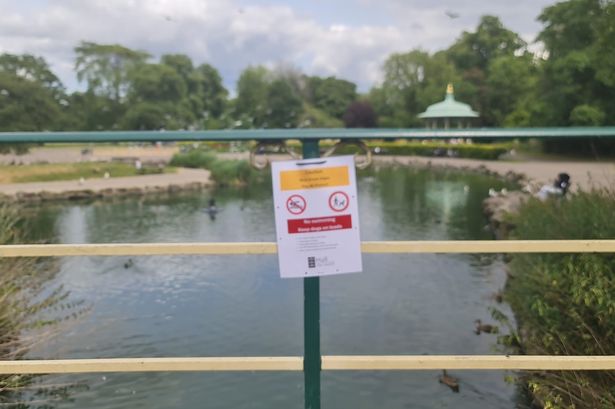
Algal Bloom Alert in Pearson Park
Residents of Hull are being advised to steer clear of Pearson Park's pond following the recent discovery of potentially toxic blue-green algae. This warning comes as local authorities have placed signs around the pond to alert visitors of the health risks associated with contact with the water.
What is Blue-Green Algae?
Blue-green algae, scientifically known as cyanobacteria, can produce toxins that may pose serious health risks to both humans and pets. These algae thrive in warm, nutrient-rich waters and can proliferate rapidly under certain conditions, leading to algal blooms. While not all blue-green algae are harmful, the presence of these blooms should always be treated with caution.
Health Risks for Residents
Exposure to toxic blue-green algae can lead to a range of health issues, including skin irritations, gastrointestinal problems, and more severe neurological effects in rare cases. Symptoms may appear after direct contact with the water or even from inhalation of aerosolized toxins during windy conditions. Pet owners should also be particularly vigilant, as dogs can suffer severe reactions, including vomiting, diarrhea, and in extreme cases, liver failure.
Local Response and Precautions
The City of Hull Council has taken immediate action by placing warning signs around the pond and advising the public to avoid swimming, fishing, or letting pets enter the water until further notice. Residents are encouraged to report any noticeable changes in water colour or odour to the local authorities.
In addition to the health warnings, the council is monitoring the situation closely and may take further measures, including potential treatments to control the algae, depending on the severity of the bloom.
Community Awareness and Education
Local environmental groups are also stepping up to educate the community about the causes and effects of algal blooms. Initiatives include workshops and informational flyers that detail how residents can help reduce nutrient pollution—often a contributing factor to the growth of blue-green algae. Simple actions like minimizing runoff from gardens and properly disposing of pet waste can make a significant difference in maintaining the health of local waterways.
Conclusion
As summer approaches and more residents flock to Hull's parks for leisure activities, it is crucial to remain informed about the potential hazards posed by blue-green algae. Authorities are committed to keeping the community safe and will provide updates as the situation develops. Residents are urged to stay vigilant and prioritize their health as they enjoy the beauty of Pearson Park and its surroundings.
For more information, the City of Hull Council's website provides resources and updates regarding the algal bloom and safety measures in place. Stay safe and enjoy the outdoors responsibly!