
Health Alerts Issued as Blue-Green Algae Found in Hull Park Pond
Health Risks of Blue-Green Algae
Residents of East Yorkshire are being urged to take precautions following the confirmation of blue-green algae in a pond at a popular local park in Hull. Hull City Council officials reported that the algae, while not uncommon in warm weather, can pose significant health risks to both humans and animals.
Blue-green algae, also known as cyanobacteria, can produce toxins that may lead to a range of health issues if ingested or if skin contact occurs. Symptoms can vary from mild irritation and rashes to more severe conditions such as gastrointestinal distress and, in extreme cases, liver damage. In light of these risks, the public is advised to avoid contact with the water and to keep pets away from the affected area.
What Residents Need to Know
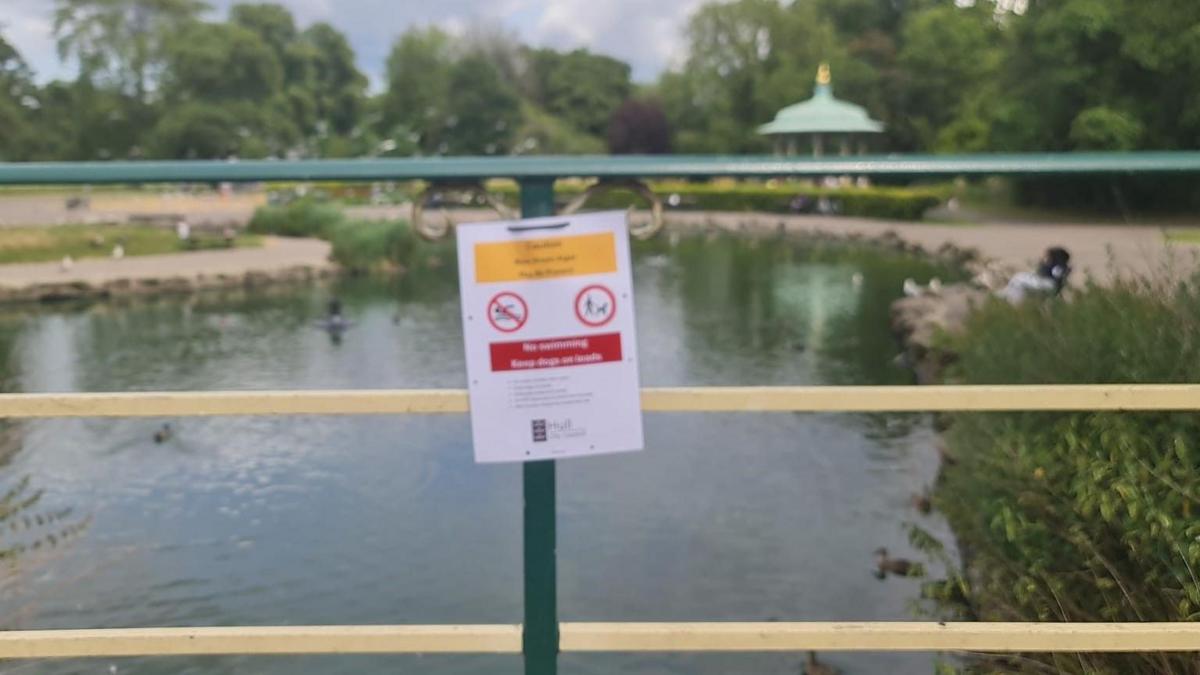
The park, a well-loved spot for families and dog walkers, is frequented by many locals who enjoy its serene environment. The presence of blue-green algae raises concerns for those who regularly visit the pond for recreational activities. Hull City Council has posted warning signs around the pond and is closely monitoring the situation.
"We want to ensure that the community is fully informed about the risks associated with blue-green algae," said a spokesperson from Hull City Council. "While the pond is a beautiful spot for relaxation and play, safety must come first. We recommend that residents refrain from swimming or allowing pets to drink from the water until further notice."
Local Impact and Precautions
The discovery of blue-green algae comes at a time when many families are enjoying outdoor activities as the weather warms up. Parks in Hull have been bustling with activity, making this warning particularly timely. Local health officials encourage residents to be vigilant and to report any suspected blooms in other water bodies in the area.
For those who may have come into contact with the water, experts recommend washing thoroughly with soap and water. If any symptoms arise, it is crucial to seek medical advice promptly. Additionally, pet owners should monitor their animals for any signs of distress after potential exposure to the algae-infested water.
Community Response
In response to the alarming findings, community groups and local environmental organizations are coming together to raise awareness about the phenomena of blue-green algae. Workshops and informational sessions are being planned to educate residents on how to identify potentially harmful algae blooms and the steps to take if they encounter them.
Local environmentalist Jane Thompson stated, "This is a wake-up call for all of us. We need to be more aware of our water systems and how they can be affected by weather patterns and pollution. Addressing these issues is essential for the health of our community and the environment."
Conclusion
As the summer season continues, Hull City Council remains committed to ensuring the safety of its residents and pets. Regular updates will be provided as the situation develops, and the community is encouraged to stay informed. For more information on blue-green algae and safety measures, residents can visit the Hull City Council website or contact their local health department. Let's work together to keep East Yorkshire safe and healthy.